Global supply chains are once again facing a period of uncertainty as developments in the
Middle East begin to affect both air freight and ocean freight operations across the region.
Over the past few days, Britannia Dynamic Logistics has been closely monitoring a steady
stream of updates from shipping lines, airlines and logistics partners, many of which point to
rapidly evolving conditions and the potential for disruption to key trade routes.
At BDL, our teams have received a significant number of operational alerts from carriers as
the situation continues to develop. As is often the case when geopolitical tensions affect
major logistics corridors, the information arriving from the market is changing quickly.
Updates issued by airlines, shipping lines and industry bodies are being reviewed and revised
frequently as operators reassess conditions on the ground and at sea.
Current reports indicate that both maritime and air freight networks across parts of the Middle
East are experiencing increased caution and operational disruption. Several airlines have
suspended passenger and cargo services across parts of the region, while ocean carriers are
closely monitoring movements along key maritime routes. Particular attention is being given
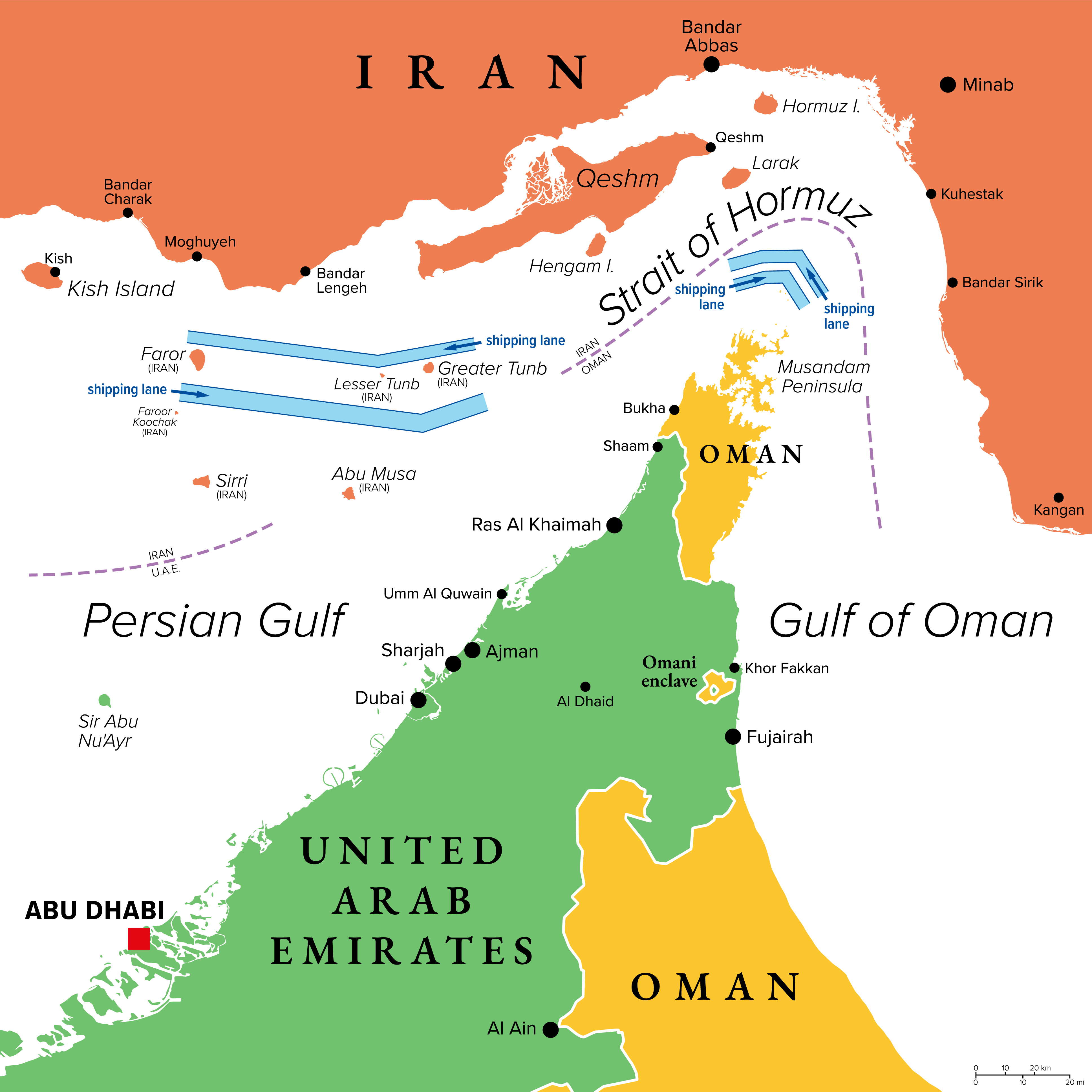
to areas including the Persian Gulf, the Gulf of Oman, the North Arabian Sea and the Strait of
Hormuz, one of the world’s most strategically important shipping corridors.
The Strait of Hormuz remains a critical gateway for global trade, connecting shipping routes
between Asia, Europe and the Middle East. As a precaution, some shipping lines have begun
diverting vessels or advising ships operating within the Gulf to remain in safe positions while
the situation is assessed. Reports of incidents involving commercial vessels near strategic
maritime routes have further increased caution across the sector. As a result, some operators
are now classifying parts of the region as higher risk for both air and ocean freight operations.
While the situation continues to evolve, disruption in this area has the potential to ripple
through global supply chains. Even short-term interruptions can affect cargo moving between
Europe and the Middle East, as well as trade lanes connecting Asia with Gulf markets.
Energy shipments and industrial supply chains may also experience knock-on effects if vessel
movements become constrained.
There have already been indications of temporary operational pauses at certain ports within
the Gulf region, while vessels scheduled to transit through the Strait of Hormuz have faced
delays as operators review security conditions. Shipping lines may also adjust sailing
schedules or reroute vessels to reduce exposure to risk, which in turn can extend transit times
or place pressure on capacity in other parts of the global shipping network.
Another factor being closely watched by the industry is the potential impact on costs. Marine
insurers have indicated that premiums for vessels operating in Gulf-related trade lanes may
rise in the short term, reflecting the increased risk environment. These changes could result in
war risk surcharges or additional freight costs being applied by carriers. At the same time, if
airlines continue to suspend services or avoid certain airspace corridors, available air freight
capacity may tighten across some routes.
One of the greatest challenges for businesses relying on international logistics is the speed at
which the situation is evolving. Shipping lines, airlines, insurers and port authorities are
constantly reassessing risks and adjusting their operations accordingly. Guidance issued today
may change within days—or even hours—depending on developments in the region.
For this reason, access to timely and reliable information has become increasingly important
for companies managing global supply chains. At Britannia Dynamic Logistics, our teams are
actively monitoring communications from carriers and industry partners and maintaining
close contact with shipping lines, airlines and logistics networks. Where necessary, we are
reviewing alternative routing options and working proactively with customers whose
shipments may be affected.
Supply chain disruption can have wide-reaching consequences for businesses, affecting
production schedules, stock availability and delivery commitments. Our focus remains on
ensuring that customers receive clear and practical advice so they can make informed
decisions about their freight movements.
For companies with cargo currently moving through the Middle East, or shipments scheduled
to transit the region in the coming weeks, it is advisable to review shipment timelines and
remain in close contact with logistics partners. Exploring potential routing alternatives and
monitoring updates from carriers regarding operational changes or surcharges may help
mitigate the impact of disruption as conditions continue to develop.
The situation remains fluid and further updates from carriers and industry bodies are
expected. Britannia Dynamic Logistics will continue to monitor developments closely and
keep customers informed as new information becomes available. In a rapidly changing
logistics environment, timely communication and informed decision-making remain essential
to keeping supply chains moving.